
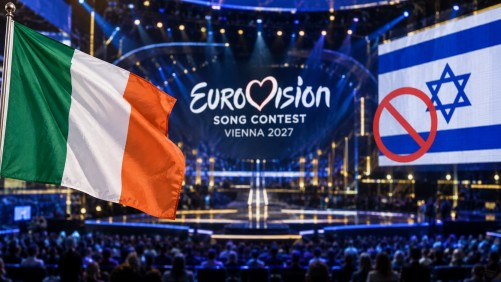
The decision by Ireland’s RTÉ to withdraw from the 2027 Eurovision Song Contest underscores the continuing impact of the humanitarian crisis in Gaza on international cultural events. This choice reflects ongoing concerns about civilian casualties and restricted journalistic access to the region, highlighting how global conflicts can influence participation in high-profile gatherings.
RTÉ has confirmed that it will neither participate in nor broadcast the upcoming Eurovision event, maintaining its stance from the previous year. The broadcaster’s decision comes amid heightened tensions and a humanitarian emergency in Gaza, which RTÉ cites as incompatible with taking part in the contest. This marks the second consecutive year Ireland has opted out of Eurovision, following its boycott of the 2026 event alongside several other nations.
The European Broadcasting Union (EBU), responsible for organizing the Eurovision Song Contest, has respected Ireland’s decision. The EBU remains hopeful that Ireland will rejoin the competition in the future, acknowledging the serious considerations behind the current withdrawal. The 2027 contest is slated to occur in Burgas, Bulgaria, in May, yet its lineup is already affected by geopolitical issues.
The Netherlands has similarly announced its non-participation in the 2027 contest, although discussions are ongoing about the possibility of another broadcaster stepping in. Spain, Iceland, and Slovenia, which joined Ireland in the 2026 boycott, have yet to declare their positions regarding the upcoming event.
This situation reflects broader tensions within the Eurovision community, as member countries grapple with the implications of political and humanitarian issues on cultural expressions and international cooperation. The decisions made by RTÉ and other broadcasters highlight the intersection of global events and cultural diplomacy, with Eurovision serving as a prominent stage for such narratives.