
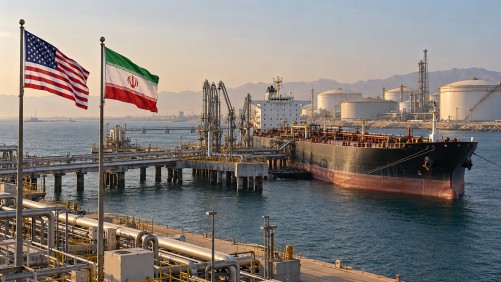
Oil prices have climbed as stalled diplomatic negotiations between the United States and Iran, coupled with tight fuel markets, overshadow signs of recovering crude supplies from the Middle East. Brent crude futures for November, set to expire today, saw a 0.6% increase to $103.16 per barrel. Meanwhile, the more active December contract rose by 94 cents to $97.10. Similarly, US West Texas Intermediate crude saw a 0.9% rise to $90.20.
Despite the uptick in prices, there are indications that oil supplies from the Gulf region are on the mend. Saudi Arabia has resumed tanker loadings at the Red Sea port of Yanbu following the restart of its East-West Pipeline. However, analysts caution that persistent fuel shortages and elevated shipping costs might keep energy markets strained.
Diplomatic efforts between Washington and Tehran remain a focal point, with Qatar expressing optimism that continued dialogue could yield progress. However, US President Donald Trump has dismissed reports suggesting Washington might offer sanctions relief or release frozen Iranian funds in exchange for Iranian commitments on its nuclear program.
The oil market’s volatility is further compounded by mixed signals regarding US fuel inventories. While crude and gasoline stocks increased last week, distillate stocks saw a decline, contributing to ongoing uncertainty over fuel supplies.
Overall, Brent crude is on track for a monthly gain of about 14%, and West Texas Intermediate is expected to see an approximate 4% increase, reflecting the complex interplay of geopolitical dynamics and supply chain challenges impacting the global oil market.