
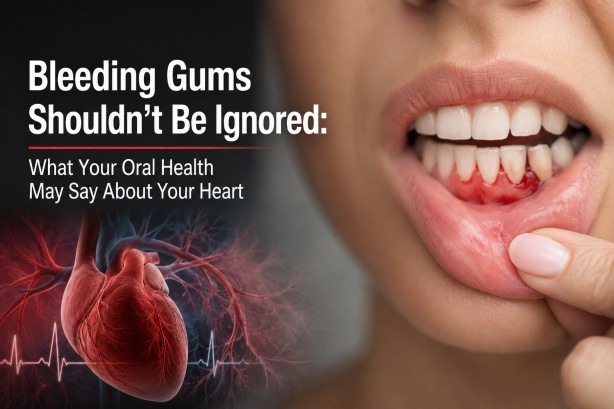
Bleeding gums, often dismissed as a minor issue, can actually signify gum inflammation needing attention. The link between oral health and overall well-being is significant, with research delving into how gum disease might relate to cardiovascular conditions. While gum disease involves bacteria and plaque causing inflammation around teeth, the effects can extend beyond the mouth when the condition becomes chronic.
Studies have noted connections between periodontal disease and cardiovascular issues such as heart disease, heart failure, and irregular heart rhythms. This does not imply that gum disease directly causes heart attacks or other cardiovascular events, but rather, both conditions may share common biological pathways, notably chronic inflammation and shared risk factors. Understanding these connections highlights the importance of addressing gum health as part of overall health management.
The presence of bacteria from the mouth entering the bloodstream is a concern when gums are inflamed or damaged. Oral bacteria have been found in arterial plaque, fueling interest in the interplay between oral and cardiovascular health. Chronic inflammation, a possible link, can impact blood vessels and is associated with the progression of cardiovascular disease, making persistent gum issues more than just a cosmetic concern.
Regular bleeding of healthy gums during brushing or flossing is not typical. While occasional bleeding might happen, particularly with new flossing routines or aggressive brushing, frequent bleeding could indicate plaque buildup or gum disease. Accompanying symptoms might include swollen or tender gums, persistent bad breath, gum recession, or loose teeth. Ignoring these signs may allow gum inflammation to progress into more serious dental issues.
Adopting three simple habits can lead to healthier gums: brushing twice daily with a soft-bristled toothbrush and fluoride toothpaste, flossing daily to remove plaque and food particles missed by brushing, and scheduling regular dental checkups to catch gum inflammation and other oral health problems early. These oral hygiene practices should supplement—not replace—other cardiovascular health measures such as maintaining healthy blood pressure and cholesterol levels, staying active, eating healthily, and avoiding smoking. If frequent gum bleeding or other persistent symptoms occur, consulting a dental professional is advisable.