
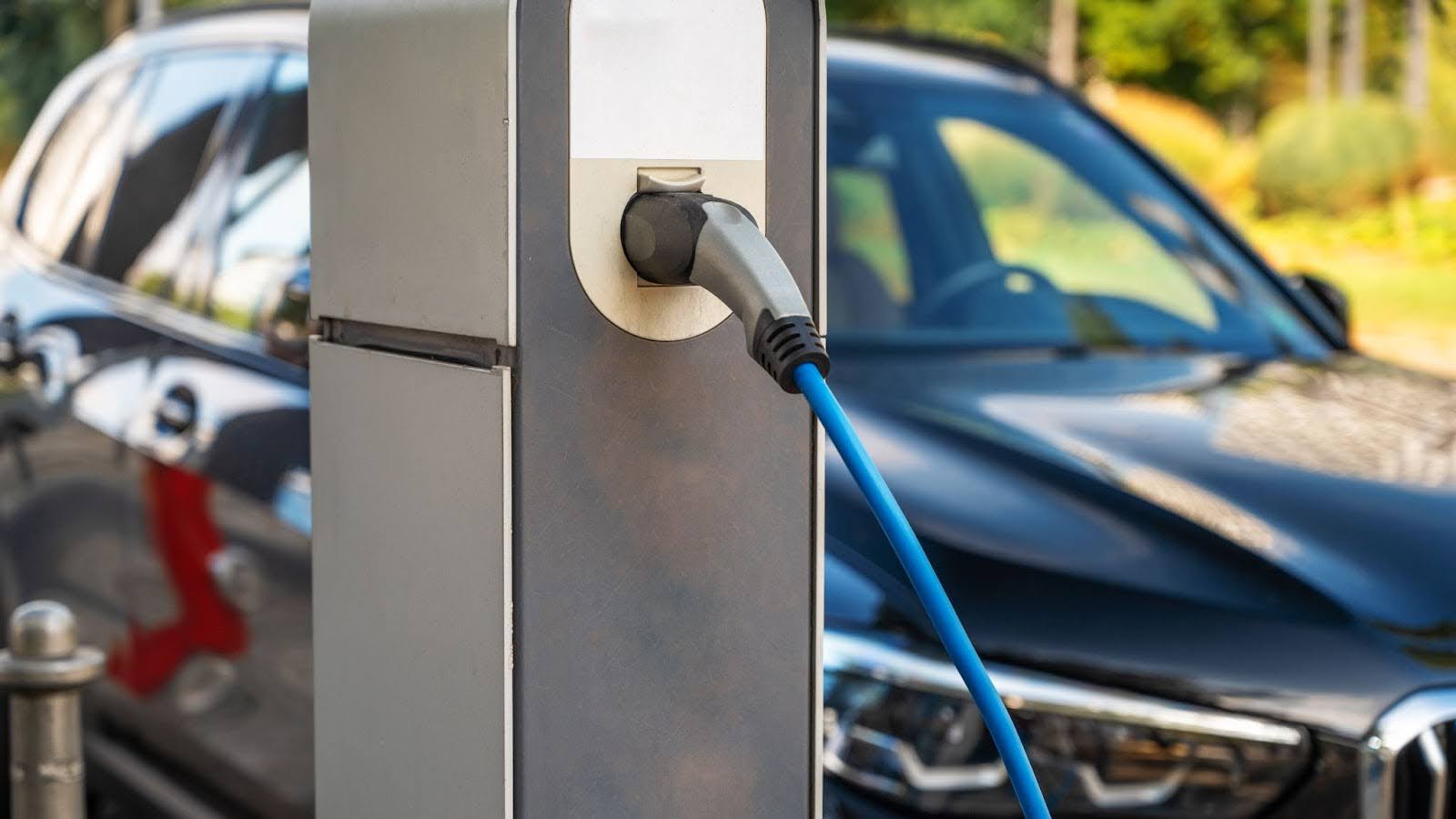
The electric vehicle has spent most of its commercial history in America carrying a green identity — associated primarily with environmental consciousness, climate concern, and progressive political values. That identity has been both an asset and a liability. The Iran conflict and its elevation of gasoline to $3.90 per gallon may be completing a long-anticipated identity transformation that is driving US interest in electric vehicles to new heights: from the green car to the smart car — from ideological choice to purely rational financial decision.
The smart car framing is purely financial. At $3.90 per gallon — the highest national average in nearly three years, driven by Iran’s closure of the Strait of Hormuz following US and Israeli military strikes — the financial case for electric transportation is compelling regardless of environmental values. CarEdge documented a 20 percent EV search surge over three weeks, and the consumers driving that surge include a much broader demographic range than the traditional green car buyer.
CarEdge’s Justin Fischer noted that search patterns in the current wave include buyers who would not have identified as environmentally motivated. The financial framing of EV ownership — saving money on fuel, insulating oneself from oil market volatility — is reaching consumers across income levels, geographic regions, and political affiliations. Edmunds’ Jessica Caldwell confirmed the demographic broadening, noting that the smart car identity resonates with the practical financial concerns that motivate most major purchase decisions.
Don Francis embodies the identity transformation most clearly. A conservative voter who frames his EV advocacy in terms of energy independence and financial pragmatism, he represents the emerging smart car constituency — buyers who see EVs not as environmental statements but as intelligent financial and strategic choices. His profile suggests that the transformation from green to smart is well underway.
The commercial implications of the identity transformation are significant. A technology coded primarily as green can reach, at most, the minority of consumers for whom environmental values are primary purchase motivators. A technology coded as smart can reach everyone who cares about personal financial decisions — which is essentially everyone. If the Iran conflict accelerates the EV’s transformation from green to smart, the potential market for the resulting accessible identity could be substantially larger than the green car’s audience ever was.