
The blacklisting of Shandong Yulong Petrochemical Co. has become a powerful precedent, effectively halting Russian oil purchases across China. This single move by the UK and EU has terrified “teapot” refiners, who are now shunning Russian crude.
This private-sector fear is matched by caution from the state. Giants Sinopec and PetroChina are also canceling cargoes, wary of new US sanctions on Russian producers Rosneft and Lukoil. The collective “buyers’ strike” is a sign that the West’s new strategy is working.
The market impact has been profound. Prices for Russian ESPO crude have dived. Rystad Energy AS estimates that 400,000 barrels a day are affected, or as much as 45% of China’s Russian oil imports.
This is a significant blow to Moscow, which had successfully made China its top customer by offering steep discounts after the Ukraine war. The US and its allies are now systematically targeting this trade to cut off Moscow’s war funding.
The situation for teapots is doubly difficult. Besides the fear of sanctions, they are also running low on import quotas for crude oil. This domestic issue will likely impede their purchases of Russian oil for the rest of the year.
The Yulong Precedent: How One Blacklisting Halted China’s Russian Oil Buys
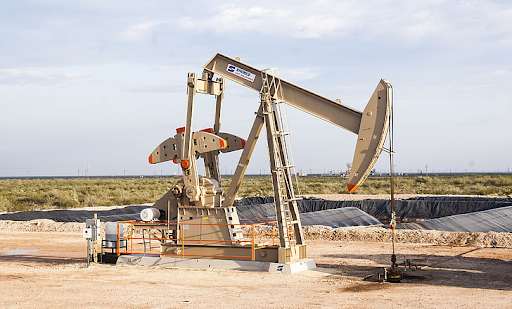
Picture Credit: www.pickpik.com
29