
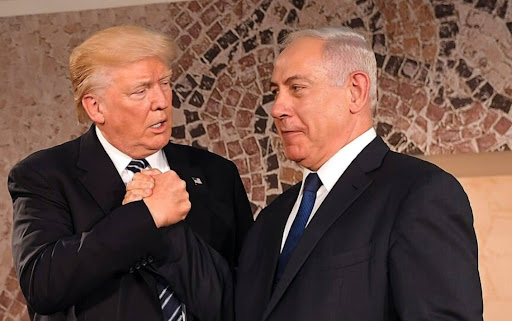
The Trump-Netanyahu alliance’s internal tensions are not private — they are observed, analyzed, and potentially leveraged by major global powers with interests in the Middle East and in the broader dynamics of American alliance management. Russia and China in particular have significant stakes in how the US-Israel-Iran conflict unfolds and in how the divergences between Trump and Netanyahu develop. The South Pars episode provided both with useful intelligence about the actual operating mode of the partnership.
For Russia, which has maintained a complex relationship with Iran while managing its own relationship with Israel, the confirmation of divergence between Trump and Netanyahu is potentially valuable. An alliance pursuing different objectives is more difficult to present as a unified challenge. The divergence between Trump’s nuclear containment focus and Netanyahu’s transformation ambitions may create diplomatic space for Russia to engage differently with each party — perhaps even offering itself as a mediator, in ways that serve Russian regional interests.
For China, which has significant economic investments in Iranian energy infrastructure and strong interests in global energy market stability, the South Pars episode was simultaneously concerning (energy prices spiked) and informative (the Trump-Netanyahu alliance has real internal limits). China’s interest in preventing prolonged energy market disruption aligns with Trump’s nuclear containment approach more than with Netanyahu’s comprehensive degradation strategy — a divergence that could influence how Beijing engages with both Washington and Jerusalem going forward.
Director of National Intelligence Gabbard’s congressional testimony — acknowledging different objectives between Trump and Netanyahu — was almost certainly assessed by foreign intelligence services as an unusually candid disclosure about alliance dynamics. Both Russia and China will have updated their assessments of US-Israeli alignment accordingly. Whether they will attempt to exploit the divergence is a genuine strategic concern.
The watching world, in this sense, includes parties with interests in seeing the Trump-Netanyahu alliance’s tensions deepen rather than resolve. Managing those external incentives for further divergence is one of the less-discussed but genuinely important dimensions of the alliance management challenge.