
Sometimes, a tiny number changes everything. In this case, it was -0.1%. The revelation that the UK GDP shrank by this fraction in October was the catalyst that pushed the Bank of England to cut rates to 3.75%. That minus sign turned a debate about inflation into a panic about recession.
The 0.1% contraction was the proof that the economy had hit a wall. It showed that the cumulative effect of 14 rate hikes was finally choking off growth. For the five members who voted to cut, this number was the smoking gun. They realized that keeping rates at 4% would turn -0.1% into -0.5% or worse.
It illustrates the sensitivity of the UK economy. It is balancing on a knife-edge. A 0.1% swing determines the fate of millions of pounds in investment and mortgage payments. The Bank is driving the economy based on these marginal readings.
The dissenters argued that one month of data shouldn’t dictate policy, especially when inflation is still 3.2%. But the fear of the minus sign won out. The Bank decided it is better to stimulate a shrinking economy than to crush a growing one.
For the public, the -0.1% is a warning. The economy is not healthy. The rate cut is medicine for a patient that is losing weight. 2026 will be the year we find out if the medicine worked.
The 0.1% Shrinkage: The Tiny Number That Caused a Big Shift in Bank of England Policy
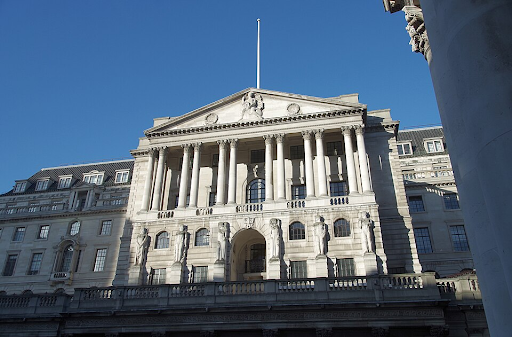
Photo by mattbuck, via wikimedia commons
22