
The world’s energy markets concluded 2025 with their most severe annual performance since the coronavirus pandemic, with oil prices tumbling nearly 20%. The petroleum sector now faces an unprecedented challenge: three consecutive years of price declines, a historic first that has created mounting financial pressure across producing nations and companies globally.
Despite ongoing geopolitical tensions in key oil-producing regions worldwide, prices have continued their downward slide due to fundamental oversupply. Producers are pumping crude at rates substantially higher than what global economic activity requires, creating what market watchers describe as extreme market saturation. This glut has persisted regardless of conflicts that historically would have supported prices.
Political developments pushed crude below $60 per barrel last month for the first time in nearly five years, as diplomatic efforts advanced toward ending the Russia-Ukraine conflict. Markets fear that removing western sanctions on Russian energy would inject massive additional supplies into an already overwhelmed system, potentially accelerating the downward price trajectory.
The year ended with Brent crude at $60.85 per barrel, down steeply from approximately $74 twelve months earlier. U.S. benchmark prices followed parallel patterns, declining 20% to $57.42. OPEC member nations typically coordinate production to maintain prices within an optimal range, but recently acknowledged market weakness by postponing any planned output increases beyond the first quarter of the year.
Economic headwinds from major economies and trade tensions between the United States and China have dampened demand from the world’s primary energy consumer. International energy officials estimate supplies will outstrip consumption by roughly 3.8 million barrels per day this year, even after OPEC deferred production increases. Major investment banks predict further weakness ahead, with some projecting prices could fall to $55 per barrel by spring or decline into the $50s during 2026. Lower fuel prices could benefit consumers and help cool inflation, though retailers face pressure to pass savings to customers more quickly, and household energy bills are rising slightly despite the crude price collapse.
Petroleum Markets Suffer Steepest Drop Since Pandemic
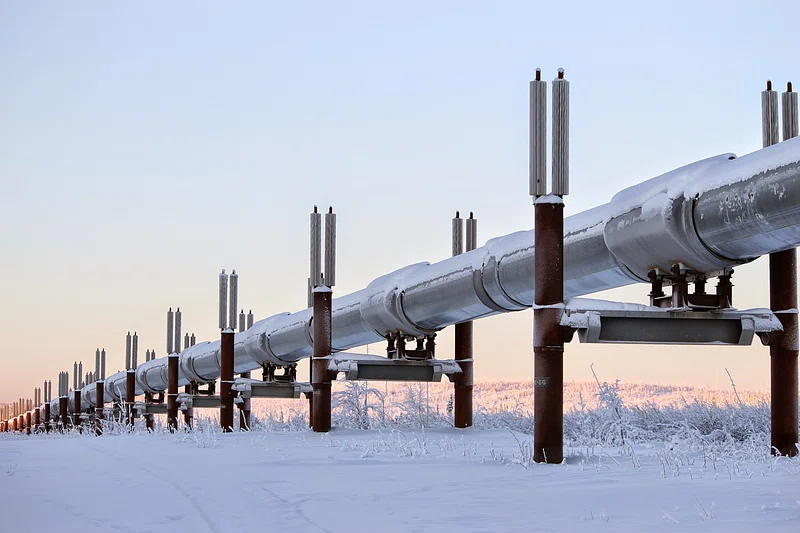
Picture Credit: www.rawpixel.com
15