
Embracing healthy eating habits doesn’t necessarily mean relying on pricey superfoods or intricate diets. Often, the key to better nutrition lies within the simple, everyday ingredients found in our kitchens. Opting for fresh, minimally processed foods can significantly enhance the nutritional value of our daily meals, making them more balanced and wholesome.
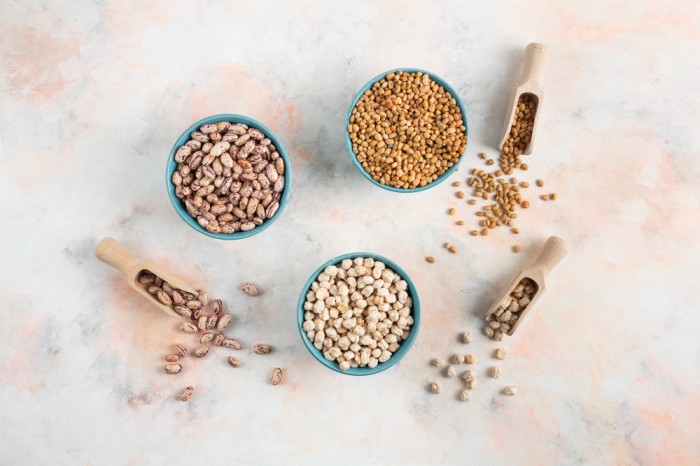
Among the kitchen staples, pulses such as dal, rajma, and chana stand out as vital sources of plant-based protein, fiber, and essential nutrients. Choosing less processed versions of these pulses helps preserve their natural nutritional content. Regularly incorporating pulses into meals can aid digestion, enhance satiety, and contribute to a more balanced diet.
Whole wheat flour, another common household staple, greatly impacts the quality of our daily meals. Minimally processed wheat flour retains more fiber and nutrients compared to its highly refined counterparts. Additionally, using traditional wheat varieties can introduce both diversity and nutritional benefits to everyday dishes.
Spices play a dual role in the kitchen, adding flavor and offering traditional health benefits. Freshly ground spices such as turmeric, cumin, coriander, and black pepper provide superior taste, aroma, and freshness compared to older or heavily processed options. Similarly, the choice of cooking oil impacts meal quality. Wood-pressed oils, extracted with minimal processing, are preferred for maintaining natural flavors and characteristics, contributing to a balanced diet when used in moderation.
Millets, including sorghum, have long been integral to traditional diets. Sorghum is naturally rich in fiber and nutrients, making it a valuable addition to dishes like rotis and porridge. Incorporating millets into meals not only adds variety but also promotes a well-rounded diet. Ultimately, achieving good health often begins with simple, everyday choices—selecting fresh grains, pulses, spices, and cooking ingredients can lead to meals that are both nutritious and satisfying.